The Winner-Shot Myth: A Point Can Turn Earlier
The winner-shot myth makes the final swing look decisive. Learn to spot the tactical choice that shaped the court and made that finish possible.
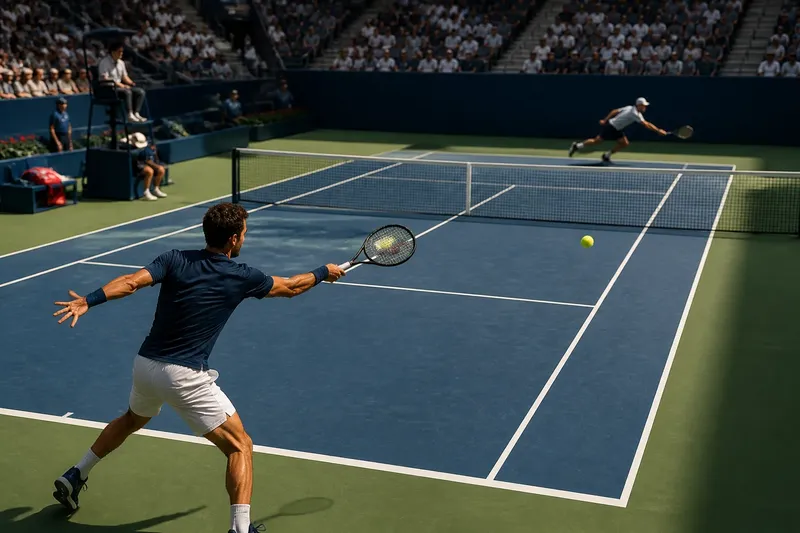
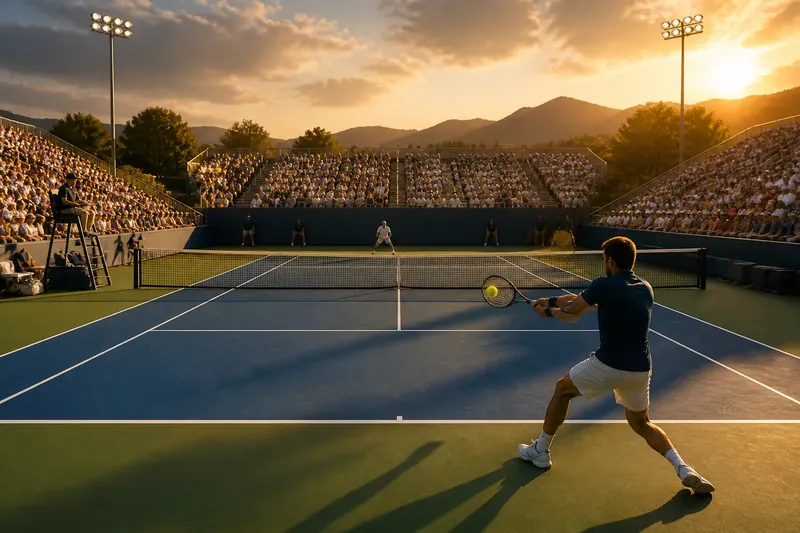
A player hits a forehand towards the sideline; the opponent scrambles, and the next ball goes into the vacant court. The winner-shot myth gives the final swing all the credit. But the more useful question is not what happened before the winner in general; it is which tactical choice changed the defender’s available options.
That distinction shifts attention from watching movement alone to judging the geometry and risk of a shot. A player may open the court by changing direction, choosing a sharper angle, or drawing the opponent forward. The point turns when that choice makes one reply costly and another predictable.
The winner-shot myth
Call the winner-shot myth the habit of treating the last successful stroke as the whole explanation for a point. It is tempting because the ball that ends the rally is easy to identify. Yet the winner may be a simple response to a court already made awkward for the defender.
To analyse the tactical choice, ask what the shot demanded from the opponent. Did it take away time, expose a corner, or invite a reply from a difficult position? This is different from merely tracking the ball’s route: it tests whether the attacker created a useful restriction or just hit into space that happened to be open.
Read the court geometry
Direction matters because the opponent’s position and the ball’s destination combine to shape the next shot. A ball sent cross-court usually travels over the lower part of the net, while a change down the line can shorten the defender’s time to respond. Neither option is automatically better; the attacker must be balanced enough to control it, and the target must suit the opening.
Depth adds another constraint. A deep ball can push a defender back and make a short reply more likely; a shorter angled ball can pull them away from the centre. Think of a kitchen drawer: moving one utensil makes room for another, but only if you know where everything else is. On court, creating space in one area often means accepting exposure somewhere else.
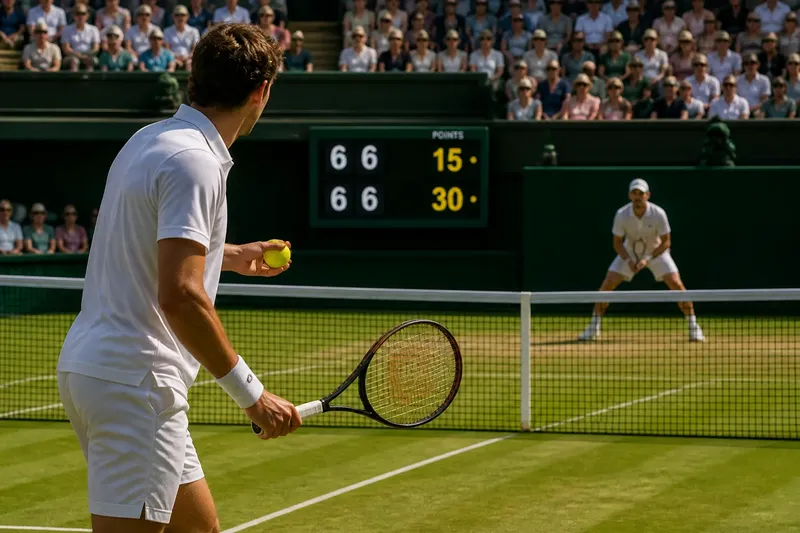
Imagine a hypothetical rally in which the attacker is balanced near the baseline and the opponent is positioned behind it. The attacker sends a deep ball towards the opponent’s backhand; the reply lands short and near the middle. The attacker steps in and directs the next forehand towards the open side. The resulting decision is clear: the first deep shot created a short reply, and the final forehand exploited the space that reply left; the winner was the payoff, not the original tactical change.
Judge the risk
An opening does not make every attack sensible. A player can choose to finish into a narrow corner, continue moving the opponent with a safer ball, or recover and rebuild the rally. The right choice depends on the ball’s height, the player’s balance, and how much court the opponent can still cover.
- Check the attacker’s balance: If the player is set and can contact the ball comfortably, then a controlled attack may be available; if they are stretched or still moving, then a deeper, safer shot is the alternative.
- Check the defender’s position: If the opponent is wide or deep, then aim for space that remains difficult to reach; if they are centred and balanced, then keep them moving rather than forcing a narrow winner.
- Check the ball’s height: If the ball sits at a comfortable contact point, then consider taking it forward; if it is low or awkward, then use a safer direction and regain position.
- Check the target margin: If a broad area is open, then direct the ball there; if only a tight line is available, then choose a larger target or continue the exchange.
- Check the likely reply: If the shot is likely to draw a short or central response, then prepare to step in; if the opponent can counter from a strong position, then recover towards the centre instead of assuming the point is won.
- Check the attacker’s recovery route: If the player can return towards a useful central position after striking, then the attack leaves room to defend a reply; if the shot pulls them out of court, then favour a safer ball that allows recovery.
These checks describe choices, not certainties. A well-directed attack can be returned, and a cautious ball can still produce an opening. The point of the analysis is to see the trade-off the player accepted, rather than treating every successful outcome as proof that the shot was inevitable.
Questions about tactics?
What makes a shot tactically effective?
A shot is tactically effective when it changes the opponent’s options in a useful way, such as making them hit on the run or leaving less court to cover. It need not be a winner; a predictable short reply can be enough to create the next opening.
Is the open court always the right target?
No. The open court may demand a difficult angle or leave the attacker badly placed for the reply. A larger target that keeps the opponent moving can be a better trade than a risky attempt at the line.
Why do players change direction?
A direction change can catch an opponent moving the other way, but it also asks the attacker to control the ball across a different part of the court. It makes most sense when the player has time and balance to manage that risk.
Can a point turn without a winner?
Yes. A player may take control by pushing the opponent deep, drawing them wide, or forcing a reply that sits up. The rally continues, but one player now has the more favourable choices.
Separate cause from finish
When a point ends, identify the shot that changed the opponent’s options, then assess the finish separately. The first explains how the opening appeared; the second shows whether the attacker used it well. That distinction is especially helpful when a dramatic winner makes a risky decision look inevitable after the fact.
The winner-shot myth hides the most revealing part of a rally: the exchange between creating space and choosing what to do with it. For a viewer, the main search phrase, winner-shot myth, is a useful prompt to examine the shot’s purpose, its risk and the court it leaves behind. The final stroke gets the applause; the tactical choice tells you why that stroke was available.